What is Religious Trauma?
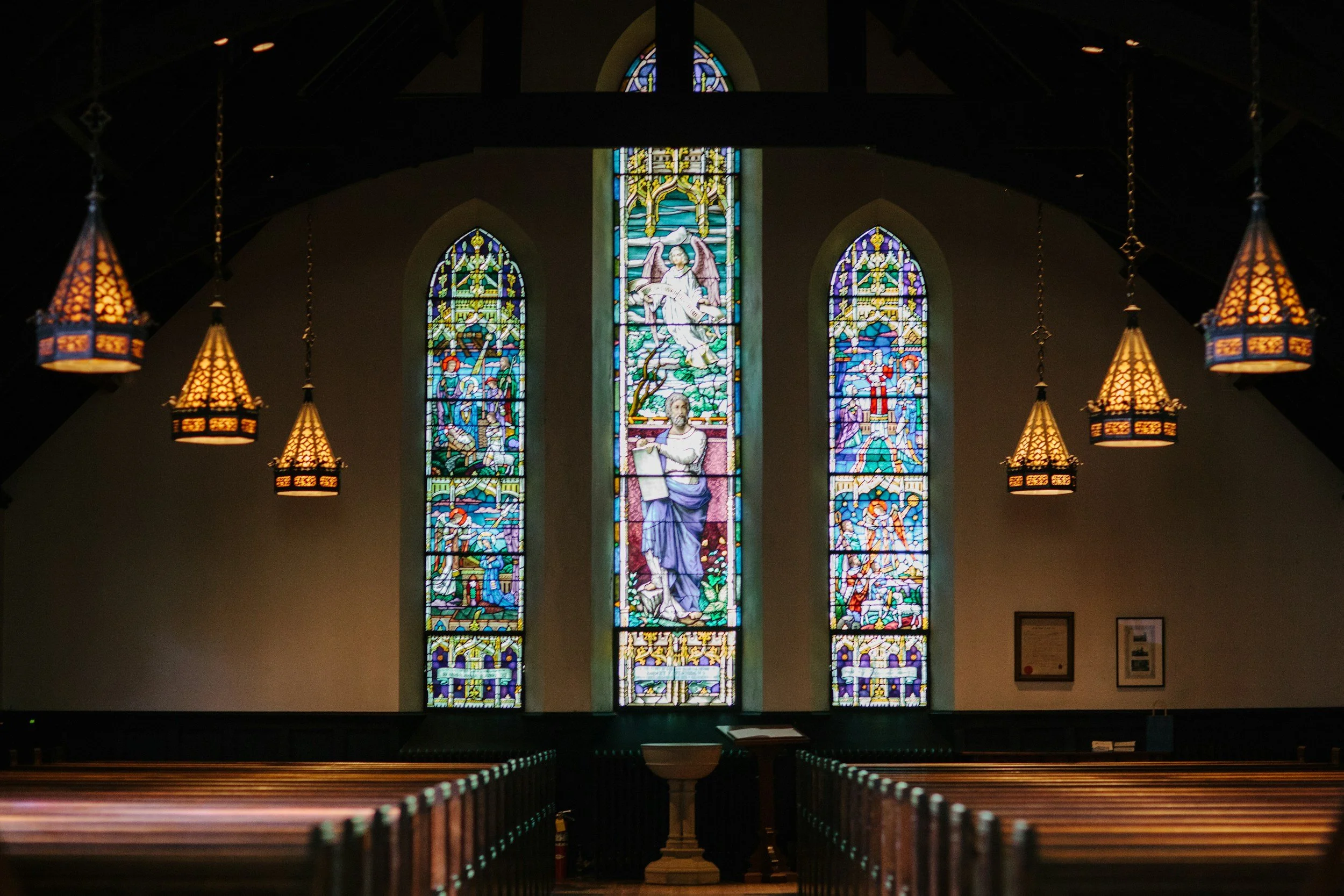
For many people, religion is meant to offer comfort, belonging, and meaning. But what happens when those same spaces create fear, shame, or confusion instead?
If you’ve ever felt anxious about your thoughts, struggled with guilt around your identity, or found it difficult to trust yourself after leaving a religious environment, you’re not alone. These experiences may be connected to religious trauma, a deeply impactful but often misunderstood form of psychological harm.
In this post, we’ll explore what religious trauma is, how it can show up in your life, and why so many people, especially those navigating identity, sexuality, or deconstruction, find themselves struggling long after leaving harmful religious systems. We’ll also look at how therapy can support healing and help you reconnect with yourself outside of those messages.
Whether you’re just starting to question your upbringing or have been unpacking it for years, understanding religious trauma is an important step toward healing.
Religious trauma refers to the psychological, emotional, and sometimes spiritual harm that can occur within high-control or harmful religious environments. While not all religious experiences are traumatic, certain teachings or systems, especially those rooted in fear, control, or shame, can have lasting effects.
Religious trauma symptoms examples:
Chronic guilt or shame
Fear of punishment or hell
Anxiety around making “wrong” choices
Difficulty trusting yourself or your intuition
Struggles with identity, especially around sexuality or gender
Feeling disconnected from your body or emotions
For many people, these experiences don’t fully make sense at first. You may find yourself thinking:
“Why do I still feel afraid even though I don’t believe this anymore?”
“Why is it so hard to trust my own decisions?”
“Why do I feel like something is wrong with me?”
These are incredibly common responses to religious trauma and deconstruction.
For LGBTQ+ individuals, the impact can be even more complex. Growing up in environments where identity is condemned or invalidated can lead to deep internal conflict, suppression, and confusion that often extends into adulthood.
It’s important to understand: these responses are not a personal failure. They are adaptive responses to environments that require you to override your instincts in order to belong or stay safe.
A Therapist’s Perspective on Religious Trauma Healing
Religious trauma is not just about what you were taught. It’s about how those teachings shaped your sense of self, safety, and connection.
Many clients I work with aren’t just processing beliefs, they’re untangling:
Internalized shame
Fear-based conditioning
Loss of community or identity
Difficulty trusting their own voice
One of the most important parts of religious trauma therapy is helping clients understand that their reactions make sense in context. What may feel like “overreacting” is often the nervous system responding to years of conditioning.
Healing also involves creating space for complexity. You might feel:
Grief for what you lost
Anger at what you experienced
Relief at gaining autonomy
Confusion about what you believe now
All of that can coexist.
If you’re wanting to explore this more deeply, you can learn more about my approach to this work here:
👉 Religious Trauma Therapy
👉 LGBTQ+ Therapy Services

So, what’s next?
Understanding what religious trauma is is often the first step toward healing. From there, the process becomes about gently untangling what you were taught from what is actually true for you—at your own pace.
Therapy offers a space where you don’t have to have everything figured out. Instead, it becomes a place to gently reconnect with your own thoughts, values, and identity on your terms. You deserve a space where your experiences are taken seriously, where your identity is affirmed, and where you can begin to rebuild trust with yourself.
If you’re in California and looking for support, I offer religious trauma therapy in Arcadia and Pasadena, as well as online across California. You can reach out here to schedule a consultation: