Questioning your sexuality in the Evangelical Church
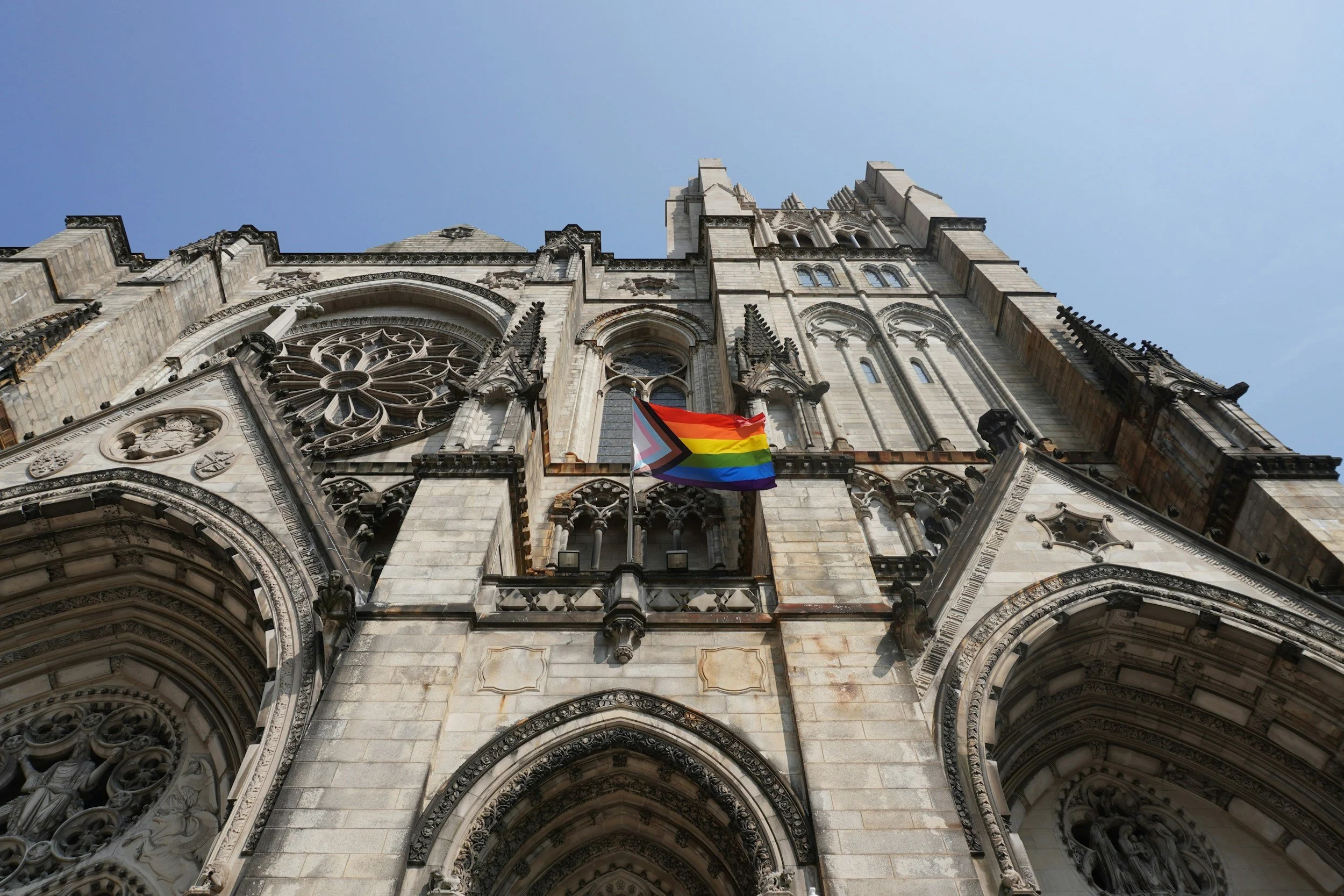
For many people who grew up in evangelical spaces, sexuality and gender were not topics open for exploration, they were defined, restricted, and often tied to morality.
If you’ve found yourself questioning your sexuality or gender after growing up in the evangelical church, you’re not alone. What can feel confusing or even overwhelming now often makes sense when you consider the environment you were in.
Many people were taught that certain identities were wrong, sinful, or something to overcome. Because of that, it’s common to suppress, reinterpret, or completely disconnect from parts of yourself in order to stay safe, accepted, or loved.
In this post, we’ll explore what it can look like to begin questioning your sexuality in the evangelical church, why this process can feel so complex, and how to move through it with more clarity and self-compassion.
Why Questioning Feels So Confusing in Evangelical Spaces
In many evangelical environments, sexuality and gender are framed in very specific—and often rigid—ways. There may be clear expectations about who you should be attracted to, how you should express yourself, and what a “right” life looks like.
Because of this, questioning your identity doesn’t just feel like self-discovery—it can feel like:
Risking belonging or community
Letting people down
Losing a sense of certainty or structure
Facing fear around consequences (both social and spiritual)
Many people describe trying to make their experiences fit within the framework they were given. For example:
Interpreting attraction as “temptation”
Labeling emotional closeness as “just friendship”
Hoping feelings would eventually go away
Over time, this can create a disconnect between what you feel and what you believe you’re allowed to feel.
You might notice thoughts like:
“What if this is wrong?”
“Why didn’t I realize this sooner?”
“Can I trust myself?”
These questions are incredibly common when beginning the process of LGBTQ identity and religious deconstruction.
How to Navigate Questioning Your Sexuality or Gender
If you’re in the process of questioning, it can help to approach it gently rather than trying to force clarity.
1. Give yourself permission to not know
You don’t have to define your identity right away. Exploration is a valid part of the process.
2. Notice what feels true—without judgment
Pay attention to your emotional and physical responses. What feels expansive? What feels constricting?
3. Challenge fear-based thoughts
If you notice thoughts rooted in fear (e.g., “This is wrong” or “Something bad will happen”), gently ask where those messages came from.
4. Seek out affirming information and community
Exposure to LGBTQ+ affirming perspectives can help counterbalance earlier messaging.
Credible resources include:
5. Move at your own pace
You don’t have to come out, label yourself, or make any decisions before you’re ready.
6. Consider therapy
Working with a therapist who understands both religious trauma and LGBTQ+ identity can provide support as you navigate this process.
For example, many clients begin feeling uncertain or disconnected. Over time, they often develop:
Greater clarity about their identity
Increased self-trust
Less fear and shame around their experiences

So, what’s next?
Questioning your sexuality or gender after growing up in the evangelical church can feel complicated, but it also makes sense.
The process of questioning your sexuality in the evangelical church is not about doing it “right.” It’s about creating space to understand yourself in a way that may not have been available to you before.
You deserve the freedom to explore your identity without fear, shame, or pressure to have all the answers.
If you’re in California and looking for support, I offer affirming therapy for LGBTQ+ individuals navigating religious trauma in Arcadia, Pasadena, and online across California. You can reach out here to schedule a consultation:
👉 Let’s connect!